Dunham-on-Trent
Permitted Development Extensions in Dunham-on-Trent
We provide clear, professional guidance on permitted development extensions in Dunham-on-Trent and surrounding areas. Whether you’re planning a rear, side, or two-storey extension, understanding local planning constraints and national permitted development limits is essential before work begins.
Common Permitted Development Issues in Dunham-on-Trent
- Raised decking exceeding permitted height
- Extension within a conservation area in Dunham-on-Trent
- Extension on a flat or maisonette
- Rear extension exceeds permitted projection limits Dunham-on-Trent
- Incorrect measurement from original dwelling
- Overall height above permitted maximum
Property Types We Advise On in Dunham-on-Trent
- Townhouses
- Chalet-style houses
- Semi-detached houses
- Corner plot homes
- Properties with outbuildings
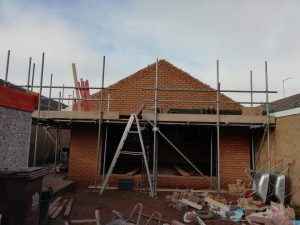
Some permitted development rights may be restricted depending on property use class. It depends on height and location. Boundary proximity affects allowable eaves height. The 45-degree rule is a guideline used by some councils to assess impact on neighbouring properties, particularly in relation to light and outlook. Planning permission controls development impact, while building regulations ensure structural safety and compliance. Height limits vary, but rear extensions under permitted development generally cannot exceed four metres for detached houses or three metres for others. Planning legislation can change over time, so it is important to check current regulations.Frequently Asked Questions
Does permitted development apply to HMOs?
Can I build right up to my boundary?
What is the 45-degree rule?
What is the difference between planning permission and building regulations?
How high can my extension be?
Will permitted development rules change?
If you're planning an extension in Dunham-on-Trent and want to confirm whether it qualifies under permitted development rules, request a free assessment today and get clarity before you build.
Leave a Reply