Paley Street
Permitted Development Extensions in Paley Street
We provide clear, professional guidance on permitted development extensions in Paley Street and surrounding areas. Whether you’re planning a rear, side, or two-storey extension, understanding local planning constraints and national permitted development limits is essential before work begins.
Common Permitted Development Issues in Paley Street
- Overlooking concerns from upper floor windows
- Extension built beyond original rear wall line
- Extension within a conservation area in Paley Street
- Dormer facing road
- Overall height above permitted maximum
- Outbuilding positioned forward of principal elevation
Property Types We Advise On in Paley Street
- Edge-of-settlement homes
- Terraced houses
- Detached houses in Paley Street
- New build developments
- Bungalows
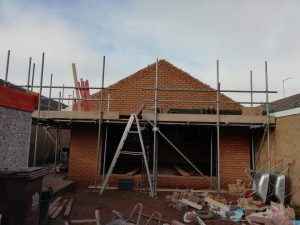
Height limits vary, but rear extensions under permitted development generally cannot exceed four metres for detached houses or three metres for others. Basement development may require planning permission, especially if it alters the external appearance. Most councils determine applications within eight weeks, though timescales may vary. Yes. Upper-floor side-facing windows typically must be obscure-glazed and non-opening below a certain height. External alterations may require permission depending on property type and location. Rooflights are often permitted if they do not protrude significantly beyond the roof slope.Frequently Asked Questions
How high can my extension be?
Are basements covered by permitted development?
How long does a Lawful Development Certificate take?
Are there restrictions on side-facing windows?
Can I remove a chimney without permission?
Can I install rooflights under permitted development?
If you're planning an extension in Paley Street and want to confirm whether it qualifies under permitted development rules, request a free assessment today and get clarity before you build.
Leave a Reply