Knotting
Permitted Development Extensions in Knotting
We provide clear, professional guidance on permitted development extensions in Knotting and surrounding areas. Whether you’re planning a rear, side, or two-storey extension, understanding local planning constraints and national permitted development limits is essential before work begins.
Common Permitted Development Issues in Knotting
- Two-storey extension too close to rear boundary
- Extension built beyond original rear wall line
- Dormer facing road
- Side extension exceeds half the width of the original house
- Extension on a flat or maisonette
- Overlooking concerns from upper floor windows
Property Types We Advise On in Knotting
- Properties within conservation areas
- Victorian properties
- Edge-of-settlement homes
- Properties with previous extensions
- Bungalows
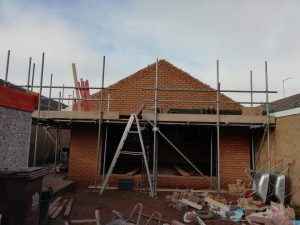
The “original house” refers to the property as it stood on 1 July 1948 or when it was first built, not including later extensions. Some permitted development rights may be restricted depending on property use class. Internal changes usually do not require planning permission unless the property is listed. Most councils determine applications within eight weeks, though timescales may vary. Minor amendments may be accepted during determination, depending on the council. Extensions built close to a boundary must meet height and eaves restrictions, especially if within two metres of the boundary.Frequently Asked Questions
How is the original house defined for measurement purposes?
Does permitted development apply to HMOs?
Is planning permission needed for internal alterations?
How long does a Lawful Development Certificate take?
Can I amend my plans after submission?
How close can I build to my neighbour’s boundary?
If you're planning an extension in Knotting and want to confirm whether it qualifies under permitted development rules, request a free assessment today and get clarity before you build.
Leave a Reply