Knotting
Permitted Development Extensions in Knotting
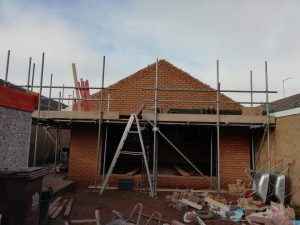
We provide clear, professional guidance on permitted development extensions in Knotting and surrounding areas. Whether you’re planning a rear, side, or two-storey extension, understanding local planning constraints and national permitted development limits is essential before work begins.
Common Permitted Development Issues in Knotting
- Extension on a flat or maisonette
- Materials not matching existing dwelling
- Dormer facing road
- Permitted development rights removed by planning condition
- Overlooking concerns from upper floor windows
- Outbuilding positioned forward of principal elevation
Property Types We Advise On in Knotting
- Homes subject to Article 4 Directions
- Semi-detached houses
- Properties within conservation areas
- Edge-of-settlement homes
- Victorian properties
Possibly, but this often requires planning permission and must comply with height and design considerations. Retrospective applications seek approval for work already carried out. Yes, size limits and projection distances differ depending on property type. Extensions in flood risk areas may require additional assessments and possibly planning permission. Yes, building regulations often require structural calculations for beams, foundations, and load-bearing elements. Basement development may require planning permission, especially if it alters the external appearance.Frequently Asked Questions
Can I extend above a single-storey extension?
What is retrospective planning permission?
Can I extend a semi-detached house differently to a detached house?
Can I extend my house in a flood zone?
Do I need structural calculations?
Are basements covered by permitted development?
If you're planning an extension in Knotting and want to confirm whether it qualifies under permitted development rules, request a free assessment today and get clarity before you build.
Leave a Reply